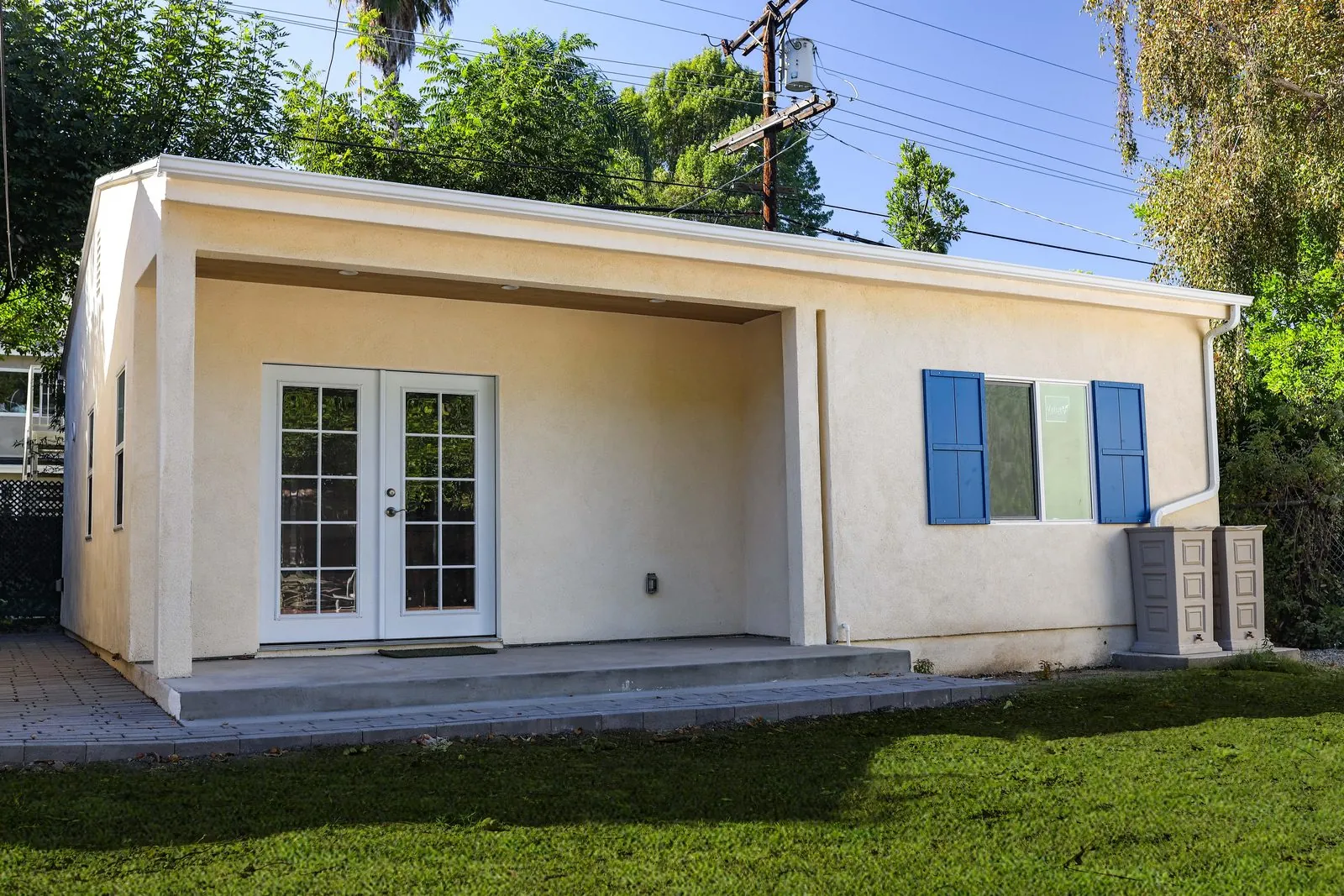
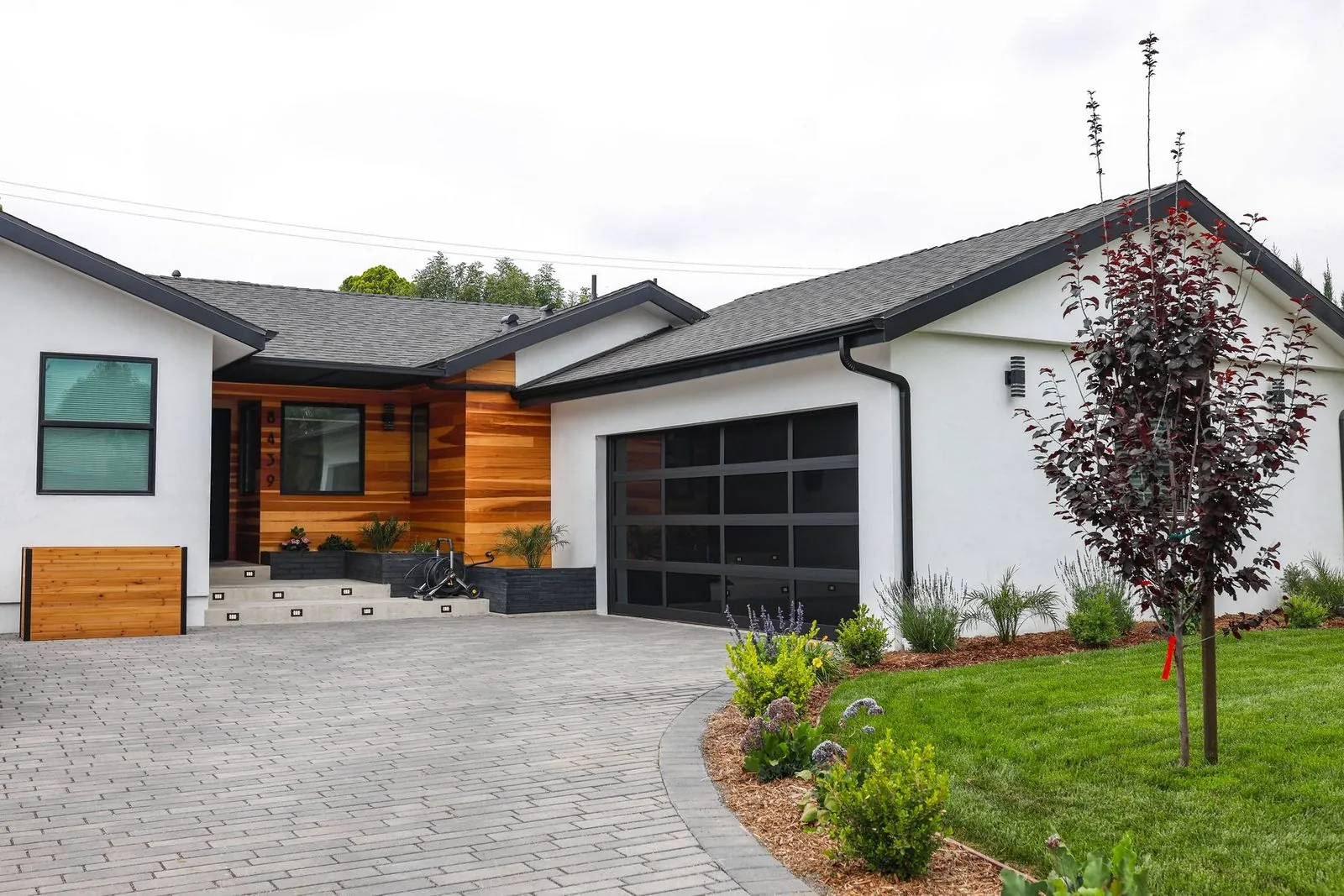
A garage conversion is usually the fastest and least expensive way to add a living space to an LA home. The walls, roof and slab are already there, and California law lets you convert a garage into an ADU without replacing the parking. But "cheap" is relative. A real, permitted conversion that someone can live in costs a lot more than drywall and a window, and the price swings widely depending on what is hiding in the garage and under the slab.
Below is what a garage conversion costs in Los Angeles in 2026, what drives the number up or down, and how to tell early whether your garage is a good candidate.
Two Very Different Projects
When people say "garage conversion" they usually mean one of two things, and the cost difference is big.
Garage conversion to a bonus room
A home office, gym, playroom or studio that is part of the main house. It needs insulation, drywall, flooring, windows, lighting and outlets, and usually a mini split for heating and cooling. There is no kitchen and often no bathroom. These projects are smaller and simpler, though they still need a permit.
Garage conversion to an ADU
A complete, separate home with a kitchen, a bathroom and a separate entrance. It needs plumbing and a sewer connection, more electrical capacity, energy code compliance and a full permit with a final Certificate of Occupancy. This is what most of our clients build, because it can be rented or used by family.
What a Garage Conversion ADU Costs in LA
For a standard two-car garage of about 400 to 450 square feet converted into a studio or one-bedroom ADU, most projects land between $80,000 and $150,000, all in. The low end is a garage in good condition with an easy sewer connection and standard finishes. The high end usually involves a new foundation section, a long sewer run, an electrical service upgrade or higher-end finishes.
Here is roughly where the money goes on a typical project:
- Design, engineering and permits: plans, structural and energy calculations, plan check and city fees
- Plumbing and sewer: new drain lines under the slab and a connection to the house sewer or the street. Often one of the biggest single costs.
- Electrical: new wiring, lighting, outlets and very often a panel upgrade
- Structure and envelope: filling in the garage door opening, new windows and an entry door, insulation, and any foundation or framing repairs
- Kitchen and bathroom: cabinets, counters, appliances, shower, toilet and vanity
- Finishes: drywall, flooring, paint, trim and fixtures
- Heating and cooling: usually a ductless mini split

What Pushes the Cost Up
The slab and foundation
Garage slabs were not built for living space. Many older LA garages have thin slabs, cracks or no proper footing under the walls. Plumbing also has to be trenched through the slab. If the foundation needs to be partly replaced, expect a significant jump in cost.
Distance to the sewer
Detached garages at the back of the lot can be far from the sewer line. A long run, or a sewer line that sits higher than the garage, can mean extra trenching or a sewage pump.
The electrical panel
Many homes in the Valley and older LA neighborhoods still have a 100 amp panel. Adding a kitchen, a bathroom and a mini split often requires upgrading to 200 amps, and sometimes a new service from the utility.
Ceiling height and roof condition
Habitable rooms need a minimum ceiling height. Some garages are close to the limit, and an old roof may need to be replaced before you build anything below it.
Finish level
Cabinet quality, tile, flooring and fixtures can easily move the total by tens of thousands of dollars. A rental unit and a space for your parents are often finished very differently.
Timeline
A garage conversion ADU usually takes about 3 to 5 months of construction, plus design and permitting before that. Our guide to ADU permits in Los Angeles covers the permit steps in detail. All in, many projects take 5 to 8 months from the first meeting to move-in.
Is It Worth It?
For most homeowners who no longer park in the garage, yes. In Los Angeles a well-finished garage ADU can rent for roughly $2,000 to $3,000 a month, depending on the neighborhood and size, and it adds permitted square footage to the property. Even if you do not rent it, it gives you space for family, an office or a guest suite without the cost of building new.
It is not the right choice for everyone. If you need the garage for storage or parking, or if your garage needs so much structural work that you are close to the price of a new structure, a detached ADU or a room addition may make more sense.
How to Know if Your Garage Is a Good Candidate
- The garage is structurally sound, with no major cracks or sagging roof lines
- The sewer line is reasonably close and downhill
- You know your electrical panel size (it is printed on the main breaker)
- There is a clear path from the street to the garage for the entrance and fire access
- You are fine giving up the garage parking
If most of those are true, your garage is probably a strong candidate. The best next step is a site visit, where we check the slab, sewer and panel and give you a real budget. You can see our finished work on the garage conversion page and full price ranges in our ADU and garage conversion cost guide.
Frequently Asked Questions
Do I need a permit to convert my garage?
Yes. Any conversion into living space needs a building permit. Unpermitted conversions can create problems with insurance, refinancing and selling the home.
Do I have to replace the parking I lose?
Not when the garage becomes an ADU. California law does not allow cities to require replacement parking in that case.
Can I keep the garage door?
Some owners keep the look of a garage door on the outside, but the opening has to be framed, insulated and sealed to meet energy code. Most clients replace it with a wall, windows or glass doors.
How big can a garage conversion ADU be?
A conversion is limited mostly by the existing structure. A small expansion is sometimes possible, but larger additions follow the rules for new ADUs.