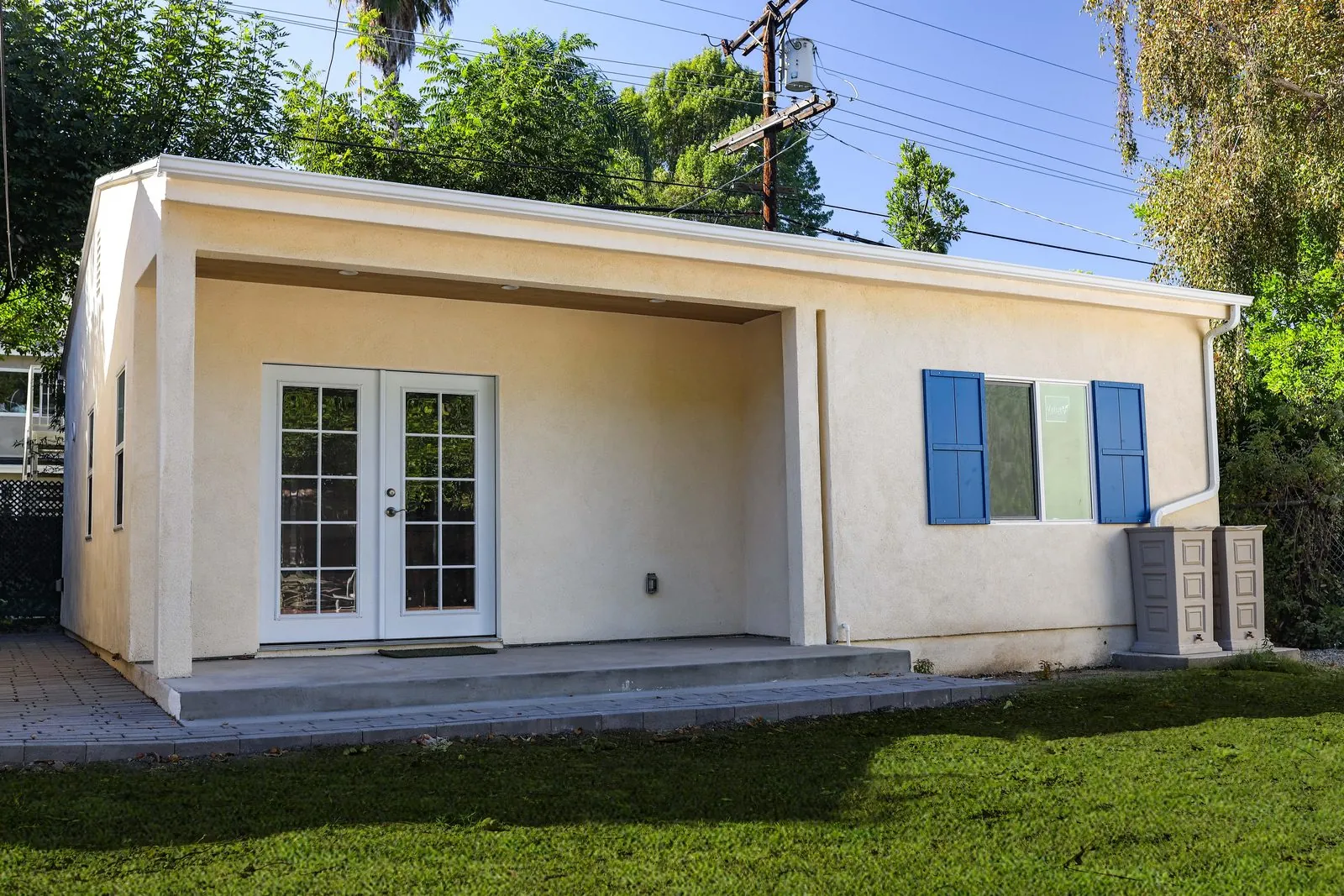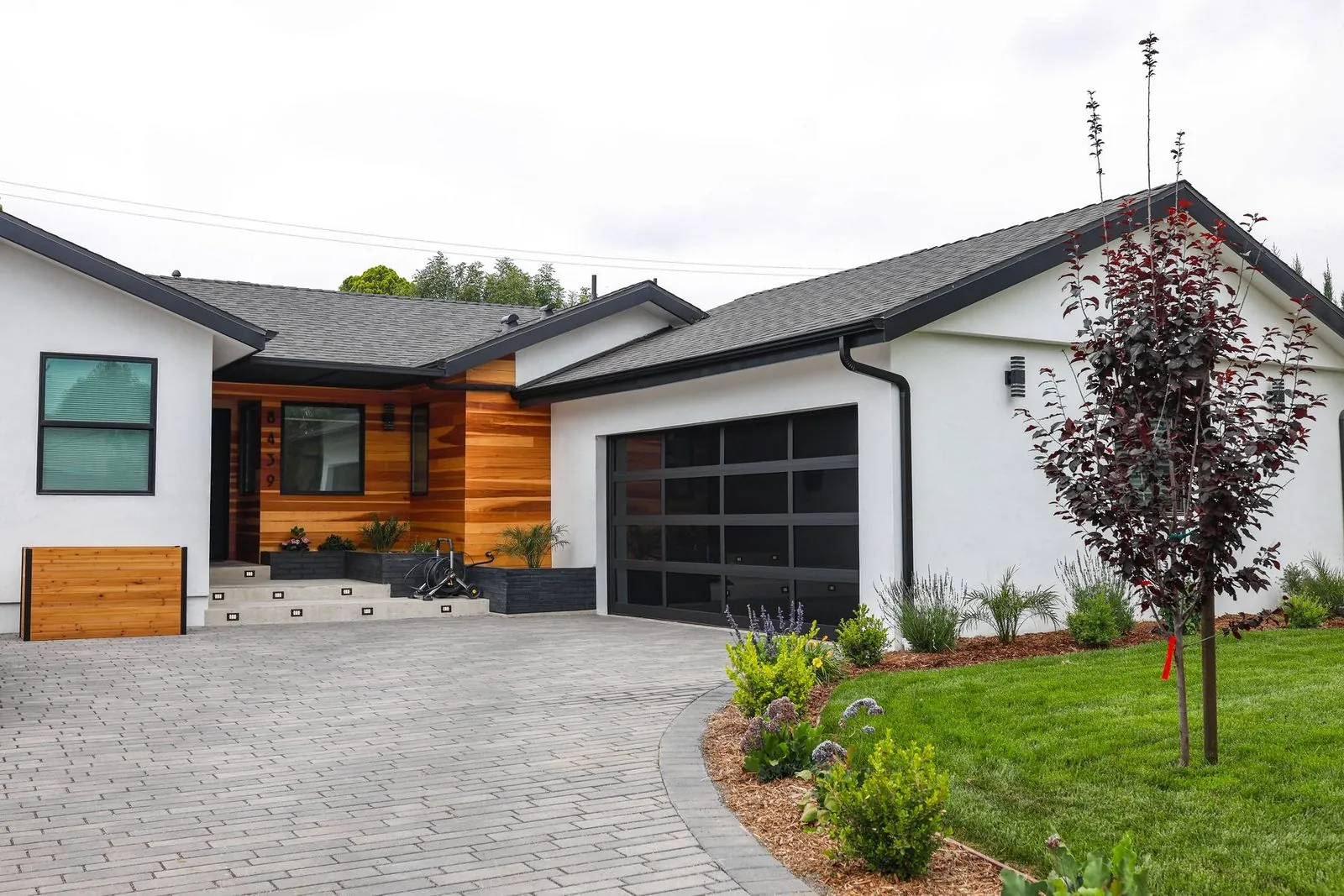
When a family outgrows its house in Los Angeles, moving is often the most expensive option. Selling costs, higher interest rates and LA prices push a lot of homeowners to build instead. The two most common ways to add space are a room addition, which makes the existing house bigger, and an ADU, which adds a separate living unit on the same lot. They solve different problems, and picking the wrong one can cost you money and still leave you without the space you actually need.
Here is how we help homeowners decide between them.
The Basic Difference
- A room addition expands the main house. A new primary suite, an extra bedroom, a bigger family room or a second story. It is part of your home, shares your kitchen and entrance, and is used by your household.
- An ADU is a complete, separate home with its own kitchen, bathroom and entrance. It can be detached in the backyard, attached to the house or converted from a garage. It can be rented, or used by family who want their own space.
The simplest question to start with: who will use the new space? If it is your own household day to day, an addition usually makes more sense. If it is someone who needs privacy, or a tenant, an ADU usually wins.
Cost
Both are serious investments, and the cost per square foot is in a similar range. Ground-floor additions in Los Angeles commonly run in the range of a few hundred dollars per square foot, and more for second stories or high-end finishes. A detached ADU of about 600 to 800 square feet typically runs $250,000 to $350,000 or more, and a garage conversion ADU is much less, often $80,000 to $150,000.
A few things that change the comparison:
- Kitchens and bathrooms are expensive. An ADU always needs both. A bedroom addition without a bathroom has neither, so it can cost less per square foot.
- Tying into the existing house costs money. An addition has to match your roof, foundation and exterior, and often requires opening walls and updating older systems in the main house.
- Second stories cost the most. They often require new foundations or reinforcement under the existing house, plus a staircase that takes space away from the first floor.
- Small ADUs get fee breaks. ADUs under 750 square feet are exempt from impact fees under state law.
For full price ranges, see our remodeling cost guide and our ADU cost guide.
Permits and Rules
This is where ADUs have a clear advantage in California. ADU approval is ministerial: if your plans meet the objective standards, the city has to approve them within 60 days of a complete application. Setbacks for ADUs are reduced to 4 feet from the side and rear property lines.
A room addition follows the regular zoning rules for your lot. That means standard setbacks, height limits, lot coverage and, in the City of LA, floor area limits such as the Baseline Mansionization and Baseline Hillside rules. On a smaller lot, those limits can block an addition that an ADU could fit around. Our ADU permit guide walks through that process step by step.

Living Through Construction
An ADU in the backyard is built mostly away from the house. You keep living normally, with some noise and a construction path through the yard.
An addition has to connect to the house at some point. Walls get opened, the roof gets tied in, and power or water may be shut off for short periods. A second story is the hardest to live through, and some families move out for part of it.
Value and Income
Both add value. An addition adds bedrooms and square footage to the main house, which is what most buyers pay for. An ADU adds a second unit that can bring in rent. In LA, a one-bedroom ADU often rents for roughly $2,000 to $3,500 a month depending on the area and size, which can cover a large part of the construction loan.
If you might sell in the next few years, a primary suite addition often appeals to more buyers. If you plan to stay and want flexibility, an ADU can serve as a rental now, a place for parents later and a space for grown kids after that.
Quick Way to Decide
A room addition is usually the better fit if:
- The space is for your own household (a bigger primary suite, a bedroom for a new baby, a family room)
- You want everything under one roof with direct access from the house
- Your lot has room within the normal setbacks and floor area limits
An ADU is usually the better fit if:
- The space is for a parent, a grown child or a tenant who needs privacy
- You want rental income
- Your lot is limited by zoning rules that ADU law overrides
- You want to keep living normally during construction
- You have a garage you no longer park in
Can You Do Both?
Yes. Many lots can fit an addition and an ADU, and a JADU (a junior unit of up to 500 square feet inside the house) on top of that. Some families build an ADU first, move into it during a larger remodel of the main house, and then rent it out afterward.
The right answer depends on your lot, your budget and how you plan to use the space. We look at all of that in a free site visit and give you an honest comparison with real numbers. You can learn more about our room additions and ADUs, or read what a garage conversion costs.
Frequently Asked Questions
Which adds more value, an addition or an ADU?
It depends on the market and the buyer. Additions add bedrooms and square footage to the main house. ADUs add a rentable unit. In many LA neighborhoods both add value close to or above their cost when done well.
Which is faster to permit?
Usually the ADU, because state law requires ministerial approval within 60 days of a complete application. Additions follow regular zoning review, which can take longer.
Can I rent out a room addition?
An addition is part of your house, so it cannot be rented as a separate unit unless it is permitted as an ADU or JADU with its own entrance and kitchen.